How to Get Someone With Memory Problems to See a Doctor
What to say, how to brief the doctor ahead of time, and how to make the visit easier for everyone.
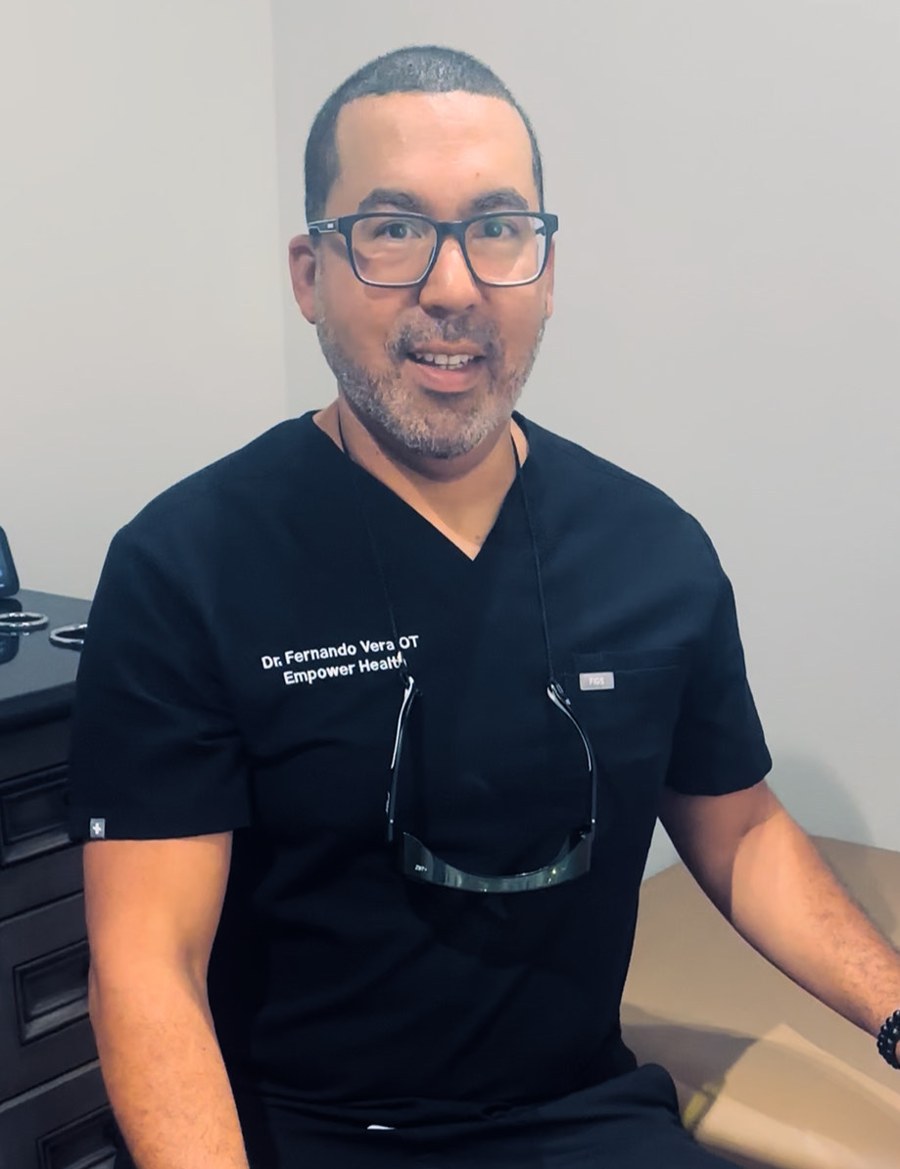
Don't lead with "memory test" or "dementia". Frame the visit around something they already accept, like a yearly checkup, blood pressure, sleep or a medicine review, which is true. Send the doctor your concerns in writing beforehand, book their best time of day, go with them, and focus on how a checkup can find treatable causes of forgetfulness.
Why they refuse
- Fear. Many people watched a parent go through dementia and are terrified of the word.
- Not noticing the problem. Dementia itself can take away awareness of the changes. This isn't stubbornness.
- Pride and independence. They worry about losing their license, their money or their home.
Knowing which one you're facing helps you choose your words.
What to say
- Make it routine: "It's time for your yearly checkup. Medicare covers a free wellness visit." Medicare's annual wellness visit includes a check of memory and thinking.
- Make it about something else that's true: blood pressure, a medicine review, sleep, hearing, a new pain.
- Focus on what's treatable: "Forgetfulness can come from thyroid problems, low B12, medicines or poor sleep. Those can be fixed."
- Make it about you: "It would really ease my mind."
- Use a trusted messenger: a doctor they like, a pastor, a sibling they listen to.
Avoid ambushing them with the whole family, or listing every mistake they've made.
Brief the doctor ahead of time
Before the visit, send a short note through the patient portal, fax or a letter to the office:
- What changes you've seen, with examples and dates
- When they started and whether they're getting worse
- Medicines and supplements they take
- Safety concerns: driving, money, the stove, getting lost
Privacy rules limit what the doctor can tell you without permission, but they don't stop the doctor from listening to you. Ask the office to note your concerns before the visit, so you don't have to say them in front of your parent.
Make the visit go smoothly
- Book their best time of day, often the morning
- Ask for the first appointment, to avoid a long wait
- Bring their glasses, hearing aids and a medicine list
- Go in with them, and ask them to sign a HIPAA release so the doctor can talk to you
- Bring a snack and water
- Afterward, do something enjoyable together
If they still refuse
Some doctors and nurse practitioners make home visits. Telehealth can work for a first conversation. If there's a real emergency, such as a sudden change, a fall or danger to themselves or others, call 911.
Once there's a diagnosis, start with our free Diagnosed. Now What? plan.
Say this, not that
Say“"It's time for your yearly checkup. Medicare covers it."”
Not“"We need to get your memory tested."”
Routine framing lowers fear.
Say“"Some forgetfulness can be fixed, like low B12 or a medicine side effect."”
Not“"I think you have dementia."”
Hope gets a yes. Labels get a no.
Questions families ask
Can I make my parent see a doctor about dementia?
Adults have the right to refuse medical care unless a court has appointed a guardian. In an emergency, call 911. Otherwise, gentle framing, a trusted messenger, home visits or telehealth usually work better than force.
Can I tell my parent's doctor about memory concerns without them knowing?
Yes. Privacy rules limit what the doctor shares with you, not what you share with the doctor. Send your observations in writing before the visit.
Does Medicare cover memory testing?
Medicare's yearly wellness visit includes a check for signs of cognitive impairment, and Medicare covers a separate cognitive assessment and care planning visit when a doctor sees signs of a problem.
This guide is education, not medical advice. Every person with dementia is different. A sudden change in behavior, confusion, sleep or movement can have a medical cause, so call the doctor when something changes quickly. In an emergency call 911.