Dementia and the Holidays: How to Plan a Calmer Thanksgiving
A simple, step-by-step plan for holiday gatherings: smaller and earlier, a quiet room ready, guests briefed, and words for the hard moments.
Make the day smaller, earlier and quieter. Keep the usual routine, plan the meal for midday, limit guests, set up a quiet room, and give your loved one one simple, familiar job like folding napkins. Tell family ahead of time what has changed and how to talk with them, and leave before your loved one gets tired.
What is the best way to handle the holidays when someone has dementia?
The best holiday for someone with dementia usually looks smaller, earlier and quieter than the ones you remember. Big crowds, loud rooms, late dinners and a broken routine are the most common reasons a happy day turns into tears or anger.
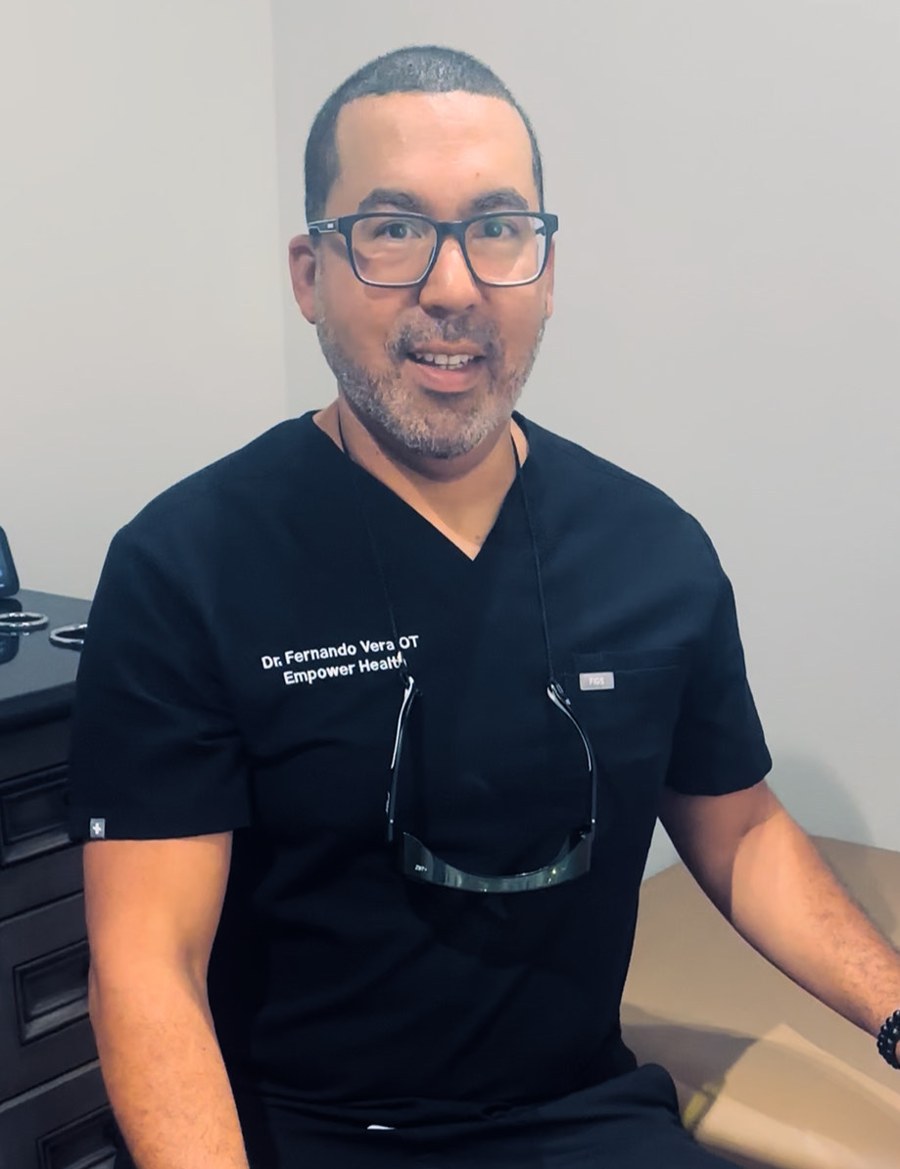
As an occupational therapist and dementia educator, I plan holidays the same way I plan a therapy session: I look at the person, the place and the task, and I make each one easier. The goal is not a perfect day. The goal is a few good moments together.
- Person: protect sleep, meals, medicine times and energy.
- Place: less noise, fewer people, good light and a quiet room to rest.
- Task: one simple, familiar job that lets them take part.
Why are holidays so hard for people with dementia?
Holidays pile on exactly the things that are hardest for a changing brain: new faces, many voices at once, unfamiliar places, rich food, late hours and a long day with no rest. Dementia makes it harder to filter noise and to follow several conversations, so a happy room can feel like chaos.
Late afternoon is often the hardest time. Many families notice more confusion, restlessness or a strong wish to "go home" as the light fades, which is part of sundowning. A 5 p.m. dinner can land right in that window.
Holidays can also bring grief. Your loved one may ask for a parent or spouse who has died, or may not recognize a grandchild who has grown. Planning for these moments ahead of time makes them much easier to handle.
How do I plan a dementia-friendly Thanksgiving, step by step?
- Pick the time of day that works best. For many people that is late morning or early afternoon. Serve the main meal at lunch instead of dinner.
- Keep it small. Ten people in two rooms is often easier than thirty people in one. Consider staggering visits: some family in the morning, some the next day.
- Host where they feel safest. Their own home is often best. If you travel, bring familiar items: a favorite blanket, sweater or photo.
- Protect the routine. Keep wake-up time, meals, medicines and nap at the usual times as much as you can.
- Set up a quiet room. A chair, soft light, a blanket, calm music and a photo album, away from the noise. Show them where it is early in the day.
- Plan the exit. Decide before you arrive when you will leave, and leave while things are still going well.
What should I tell family and guests before the visit?
A short message a few days before helps everyone. Many families send a text like this:
"Mom has changed since last year. She may not remember names, and she may repeat herself. Please introduce yourself each time, speak slowly, and don't quiz her or correct her. One or two people at a time is best. If she gets upset, we'll take a break in the quiet room."
- Ask guests to say their name and how they are related: "Hi Mom, it's Sarah, your granddaughter."
- Ask them not to test memory: no "Do you remember me?"
- Give children a simple role, like showing pictures or painting together.
- Ask one relative to be the "calm buddy" who sits with your loved one so you can take a break.
How can someone with dementia take part in holiday traditions?
People with dementia often still want to help and to feel useful. In my work, we break a task into one or two steps and set it up so it can't go wrong. Some ideas:
- Folding napkins or setting out spoons.
- Stirring a bowl, washing vegetables, or putting rolls in a basket.
- Looking through old holiday photos and naming who is in them.
- Listening to or singing familiar holiday songs from their younger years.
- Saying the blessing, if that was always their role and they still enjoy it.
Keep supplies simple and in sight. Praise the effort, not the result. If something isn't done "right," let it be. For more ideas, see our guide to activities for dementia at home.
How do I make mealtime easier at a holiday dinner?
- Seat them at the end of the table or a corner, next to someone calm, with their back to the busiest part of the room.
- Serve a small plate with two or three foods instead of passing many dishes.
- Use plates that contrast with the food; a solid colored plate makes food easier to see. Our guide to red plates for dementia explains why.
- Cut food ahead of time and offer finger foods if utensils are hard.
- Turn off the TV and keep music low during the meal.
- Watch alcohol. It can increase confusion and interact with medicines. Ask the doctor if you are unsure.
What do I do if my loved one gets upset during the gathering?
- Stay calm and lower your voice. Your calm is contagious.
- Check basic needs. Bathroom, hunger, thirst, pain, too hot or cold, or simply tired.
- Name the feeling: "It's loud in here. Let's go sit somewhere quiet."
- Move to the quiet room with one familiar person, music or photos.
- Shorten the day if needed. Leaving early is a success, not a failure.
If they ask to "go home" while already at home, our guide on what to say when someone with dementia wants to go home has word-for-word scripts.
When should I call the doctor?
Call the doctor if confusion, agitation or sleepiness gets suddenly worse, or if a new behavior starts quickly. A sudden change can have a medical cause, such as an infection, pain, dehydration or a medicine change, especially after a busy day or travel. In an emergency, call 911.
Be gentle with yourself this season
Holidays can bring grief for the person you are caring for and for the traditions that have changed. It is okay to do less. It is okay to say no to hosting. Ask family for specific help, like bringing a dish or sitting with your loved one for an hour. A calm, short visit with one good moment is a real holiday.
Say this, not that
Say“Hi Grandma, it's Sarah, your granddaughter.”
Not“Do you remember who I am?”
Introducing yourself removes the pressure of a memory test and helps them feel safe.
Say“It's loud in here. Let's sit somewhere quiet.”
Not“Come on, everyone's here to see you.”
Naming the feeling and offering a break calms things faster than pushing them to stay.
Say“Could you help me fold these napkins?”
Not“Just sit down and relax, we've got it.”
A simple job helps them feel useful and part of the day.
Say“Tell me about Thanksgiving when you were young.”
Not“We already talked about that.”
Old memories often last longer, and sharing them brings connection instead of correction.
Say“We had a lovely visit. Let's head home now.”
Not“Let's stay a little longer, it's still early.”
Leaving while things are going well avoids the late-day crash.
Questions families ask
Should someone with dementia go to a big holiday gathering?
It depends on the person and the stage. Many people do better with a smaller, shorter visit in a familiar place. If you go to a big gathering, plan a quiet room, keep the visit short and arrive early in the day.
What time of day is best for a holiday meal with dementia?
For many people, late morning or early afternoon is best, before late-day tiredness and confusion set in. Serving the main meal at lunch instead of dinner often makes the whole day calmer.
How do I prepare family who haven't seen my loved one in a while?
Send a short message a few days before. Explain what has changed, ask them to introduce themselves each time, avoid quizzing or correcting, and visit one or two at a time. Let them know you may take breaks or leave early.
Is it okay to skip hosting the holidays this year?
Yes. Many caregivers scale back or hand hosting to someone else. A short visit, a video call or a small meal at home can still honor the holiday while protecting your loved one's routine and your own energy.
What if my loved one asks for a family member who has died?
Holidays can bring up memories of people who are gone. Gently respond to the feeling: "You're thinking about your mom. Tell me about her." Repeating sad news can feel like hearing it for the first time, so many families focus on comfort instead.
Should my loved one drink alcohol at holiday meals?
Alcohol can increase confusion, affect balance and interact with some medicines. Ask the doctor or pharmacist what is safe. Festive non-alcoholic drinks in a familiar glass are a simple swap.
This guide is education, not medical advice. Every person with dementia is different. A sudden change in behavior, confusion, sleep or movement can have a medical cause, so call the doctor when something changes quickly. In an emergency call 911.