Is There a Blood Test for Alzheimer's? A Plain-English Guide for Families
New FDA-cleared blood tests can help doctors check for Alzheimer's changes sooner. Here's who they're for, what they can and can't tell you, and how to bring it up with the doctor.
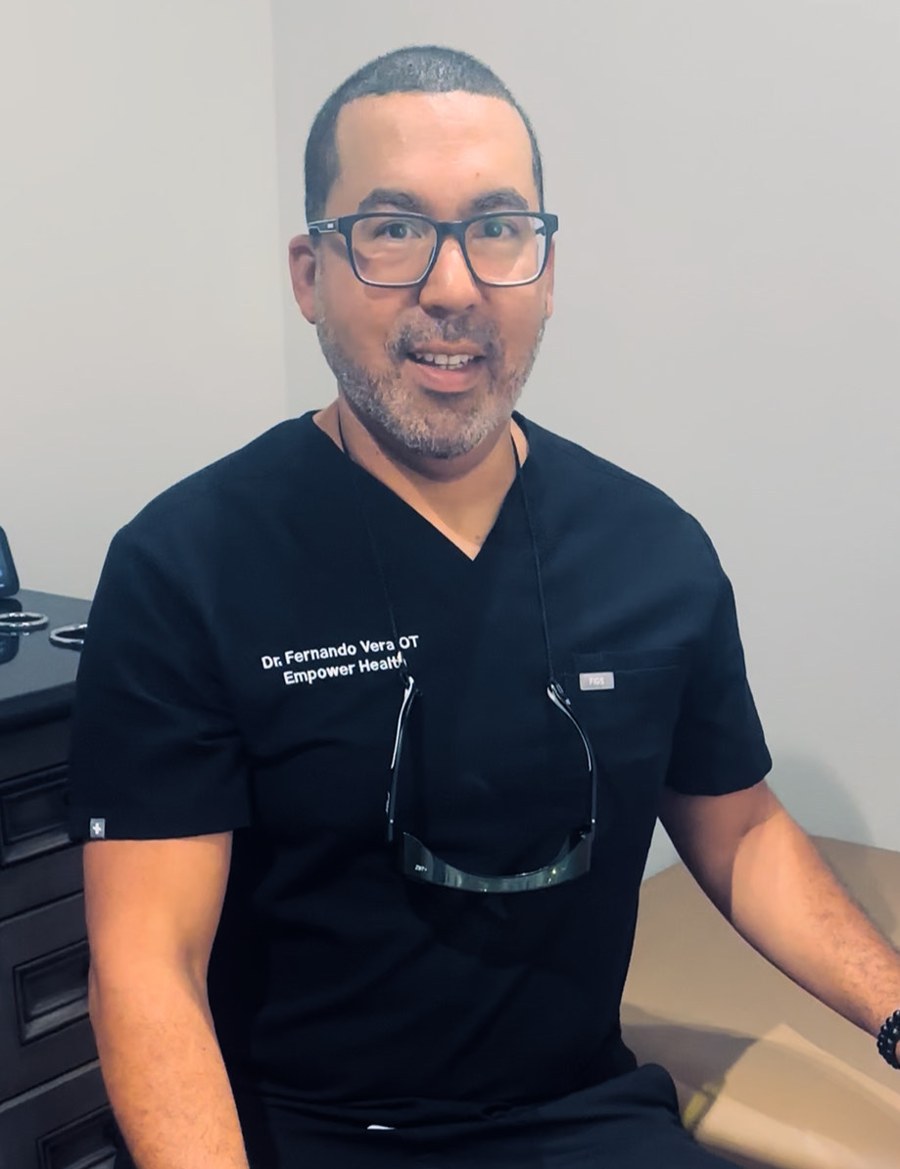
Yes. Since May 2025 the FDA has cleared several blood tests that help doctors look for amyloid, a key sign of Alzheimer's, including tests that can now be ordered in primary care. They are for adults who already have memory or thinking symptoms, not for screening people who feel fine, and no blood test diagnoses Alzheimer's on its own. A doctor uses the result together with memory testing, a medical history and sometimes a scan.
Is there a blood test for Alzheimer's disease now?
Yes. In May 2025 the U.S. Food and Drug Administration cleared the first blood test to help diagnose Alzheimer's disease. Since then more tests have followed. In August 2026 the Alzheimer's Association reported that the FDA had cleared a fourth blood biomarker test, one designed to help doctors in primary care and specialty clinics both rule in and rule out Alzheimer's-related changes.
These tests measure proteins in the blood, such as pTau217 or the ratio of two amyloid proteins, that are linked to amyloid plaques in the brain. Until recently, finding those plaques usually required a PET scan or a spinal tap.
As an occupational therapist, I see families wait months, sometimes years, for answers. Faster, simpler testing can mean earlier planning, earlier support, and earlier conversations about treatment.
Who should get an Alzheimer's blood test?
The cleared tests are meant for adults who already have signs of memory or thinking problems and are being checked by a health care professional. The first test, for example, was cleared for adults 55 and older with symptoms.
- Good reasons to ask: new forgetfulness that affects daily life, repeating questions, getting lost, trouble with bills or medicines.
- Not for screening: experts do not currently recommend these tests for people with no symptoms, or as a home or online test.
What does a positive or negative result mean?
A positive result suggests that Alzheimer's-related brain changes are likely. It does not, by itself, confirm Alzheimer's, tell you the stage, or predict exactly what will happen. The doctor may suggest more memory tests, a brain scan, a referral to a specialist, or a talk about treatment and clinical trials.
A negative result makes Alzheimer's less likely as the cause of symptoms, but memory problems still need a cause. Thyroid problems, vitamin B12 deficiency, depression, sleep problems, medicines and other types of dementia can all affect memory.
Some results fall in an in-between range, and the doctor may suggest further testing.
What can't an Alzheimer's blood test tell you?
- It can't diagnose Alzheimer's on its own. The FDA and the Alzheimer's Association both say results must be used with a full clinical evaluation.
- It doesn't diagnose other types of dementia, such as vascular or Lewy body dementia.
- It doesn't tell you how fast things will change.
- It doesn't replace a careful look at daily function, which is what matters most for planning care.
How do I ask the doctor about a blood test? Questions to bring
- "Mom has been repeating questions and missing bills since spring. Could an Alzheimer's blood test help figure out why?"
- "Is this test right for her? Why or why not?"
- "What will we do differently if it's positive? If it's negative?"
- "Will Medicare or her insurance cover it? What will it cost us?"
- "Should she see a memory specialist or neurologist?"
Bring a short list of specific changes you've noticed, with examples and dates. If your loved one is reluctant to go, our guide on how to get someone with dementia to see a doctor can help.
How much does it cost, and does Medicare cover it?
Cost and coverage vary by test, lab and insurance plan. Blood tests are generally expected to cost less than an amyloid PET scan or a spinal fluid test. Ask the doctor's office and your insurer before testing, and ask for the billing code so you can check coverage.
What should we do after the results?
Whatever the result, the next steps are about living well and planning ahead:
- Ask the doctor to explain the diagnosis, the stage, and what to watch for.
- Get legal and money paperwork in order while your loved one can take part.
- Set up the home for safety and independence.
- Find support for yourself as a caregiver.
Our guide on what to do after a dementia diagnosis walks through the first 30 days. If your loved one has Original Medicare, ask whether a Medicare GUIDE program is available near you.
Is a blood test safe?
It's an ordinary blood draw from the arm, so the physical risks are small. The bigger thing to prepare for is the emotional side. Talk as a family beforehand about what you want to know and how you'll support each other, whatever the result.
Say this, not that
Say“We've noticed some changes. Let's ask the doctor what's causing them.”
Not“I think you have Alzheimer's. You need a test.”
Focusing on finding answers feels less frightening than a label.
Say“Could a blood test help figure out the cause of her memory changes?”
Not“Can you just test her for Alzheimer's?”
Framing it around symptoms matches how these tests are meant to be used.
Say“Whatever the result, we'll figure it out together.”
Not“Let's hope it's nothing.”
Reassuring them of support makes testing feel safer than hoping for a certain result.
Say“What would we do differently if it's positive?”
Not“Is this test 100% accurate?”
No test is perfect. Asking how results change the plan is more useful.
Questions families ask
Can a blood test diagnose Alzheimer's?
Not on its own. FDA-cleared blood tests help detect Alzheimer's-related changes such as amyloid, but a doctor must combine the result with memory testing, a medical history and sometimes imaging to make a diagnosis.
Who can get an Alzheimer's blood test?
The cleared tests are for adults who already have memory or thinking symptoms and are being evaluated by a health care professional. They are not recommended for screening people without symptoms.
Can my regular doctor order an Alzheimer's blood test?
Some newer tests are cleared for use in primary care as well as specialty clinics. Ask your loved one's doctor whether a test is available and appropriate, or ask for a referral to a memory specialist.
Is an Alzheimer's blood test covered by Medicare?
Coverage varies by test and plan. Ask the doctor's office and the insurer before testing, and request the billing code so you can check what you'll pay.
Are online or at-home Alzheimer's blood tests reliable?
The FDA-cleared tests are ordered through a health care professional and interpreted as part of a full evaluation. Results from direct-to-consumer tests without a clinician can be confusing or misleading, so talk with a doctor first.
Does a positive blood test mean my parent can get Leqembi or Kisunla?
Not automatically. Treatments for early Alzheimer's require confirmation of amyloid and a full evaluation of stage, health and risks by a specialist. A blood test can be one step in that process.
- U.S. FDA: FDA Clears First Blood Test Used in Diagnosing Alzheimer's Disease
- Alzheimer's Association: Statement on FDA clearance of Elecsys pTau217 blood test (Aug 2026)
- Mayo Clinic: New FDA-approved blood tests for diagnosing Alzheimer's disease
- National Institute on Aging: How Biomarkers Help Diagnose Dementia
This guide is education, not medical advice. Every person with dementia is different. A sudden change in behavior, confusion, sleep or movement can have a medical cause, so call the doctor when something changes quickly. In an emergency call 911.